
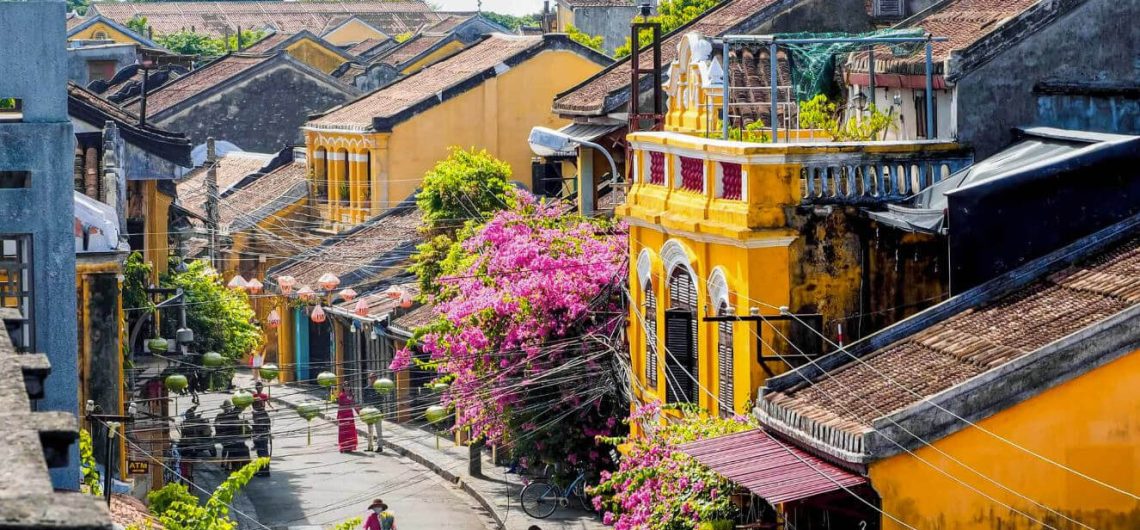
OVERVIEW
Location: in Quang Nam province, about 30km to the South of Da Nang city
HISTORICAL BACKGROUND
Hoi An was a thriving international trading port from the 15th to 19th century.
It attracted merchants from China, Japan, India, and Europe.
Known historically as Faifo, it was a key stop on the Silk Road maritime trade route.
The town’s architecture reflects a unique blend of Vietnamese, Chinese, Japanese, and European influences.
UNESCO World Heritage Site
- Declared a UNESCO World Heritage Site in 1999.
- Recognized for its exceptionally well-preserved architecture, street layout, and intangible cultural heritage.
- A rare example of a southeast Asian trading port preserved in its original form.
HIGHLIGHTS
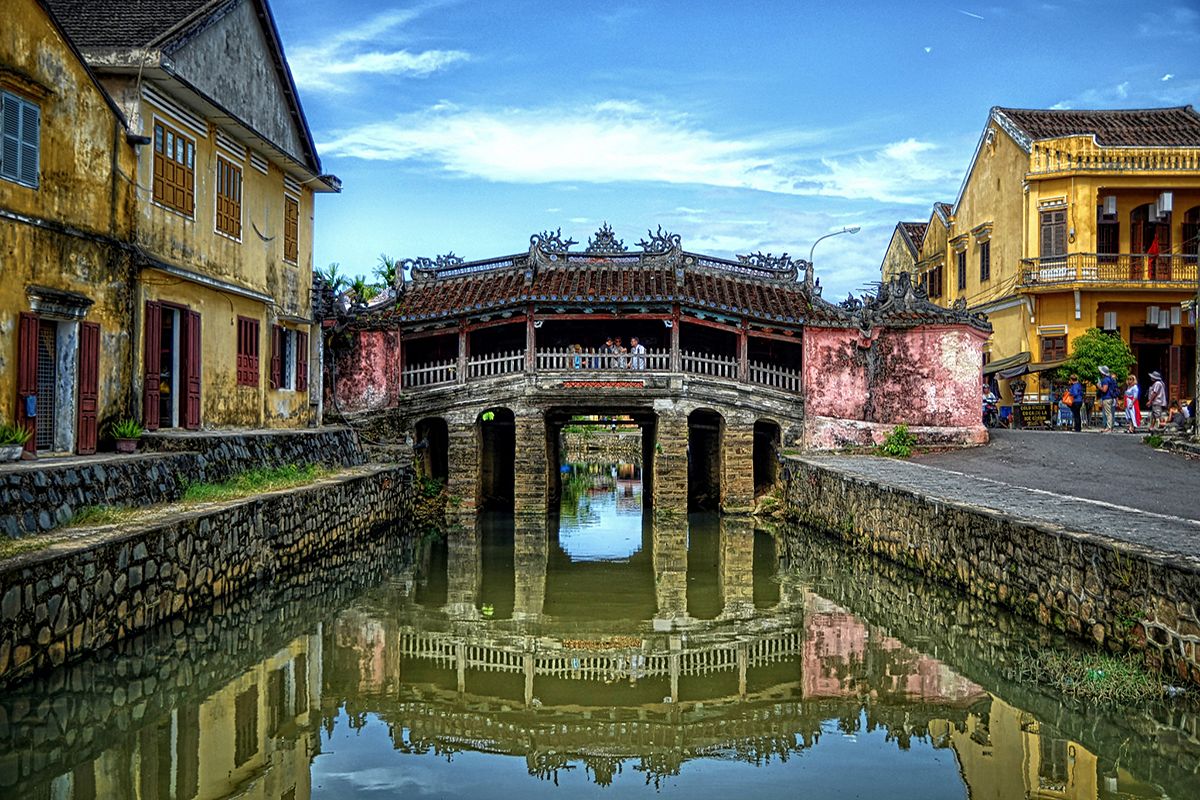
1. Japanese Covered Bridge (Chùa Cầu)
Built in the 16th century by Japanese merchants.
Features a pagoda roof and carved wooden details.
Iconic symbol of Hội An.
2. Ancient Houses
Built with a mix of Vietnamese, Chinese, and Japanese architecture.
Many houses are over 200 years old.
Example: Tấn Ký House, Phùng Hưng House, Đức An House, Quân Thắng House
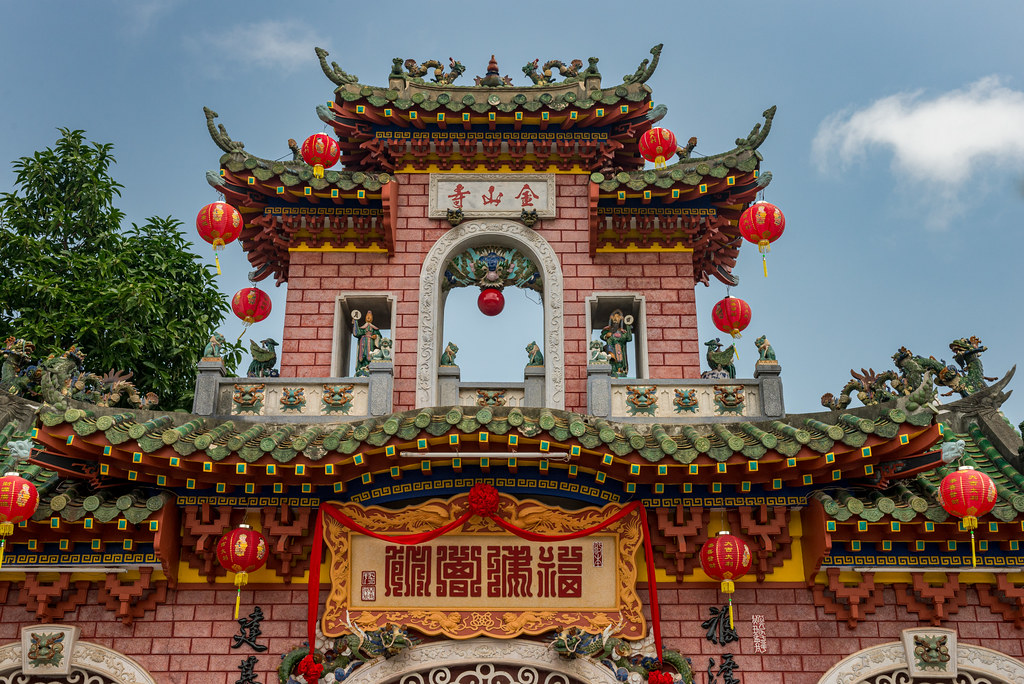
3. Chinese Assembly Halls
Built by Chinese communities to worship deities and serve as cultural centers.
Example:
Fujian (Phúc Kiến) Assembly Hall
Teo Chew ( Triều Châu) Assembly Hall
Cantonese ( Quảng Đông/ Quảng Triệu) Assembly Hall
Hainan ( Hải An) Assembly Hall
4. Lantern Culture:
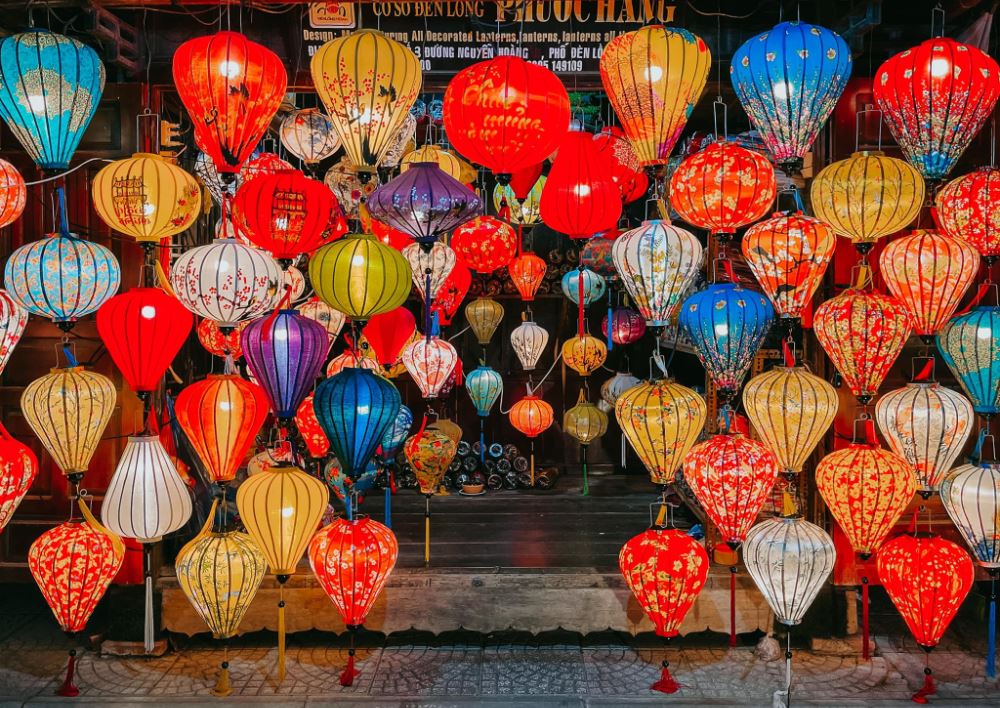
Hội An is famous for its silk lanterns.
Lanterns light up the streets at night, creating a magical atmosphere.
The Lantern Festival is held on the 14th day of every lunar month, when electric lights are turned off and thousands of lanterns glow.
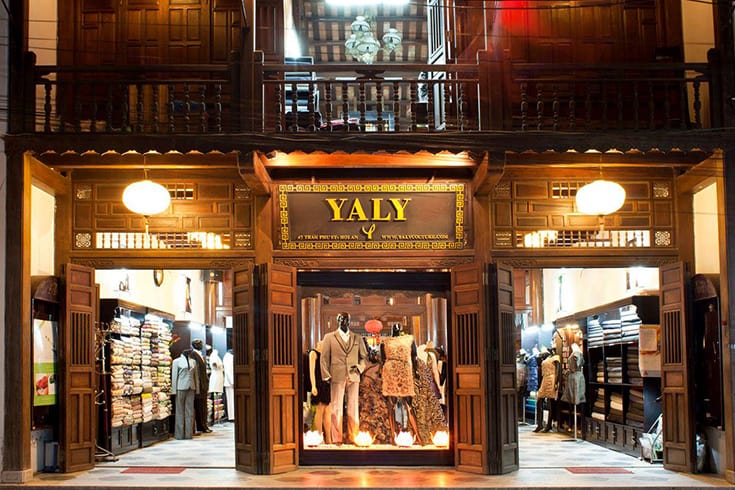
5. Shopping and tailoring
The ancient town is a hub for handicrafts, souvenirs, leather goods and tailoring.
Tailor shops offer custom-made clothing — suits, dresses, shoes — often ready in 24–48 hours with reasonable price.
Example: 45 Thu Tailor, Bebe Tailor, Yaly Couture, Á Đông Silk
6. Local food speciaities
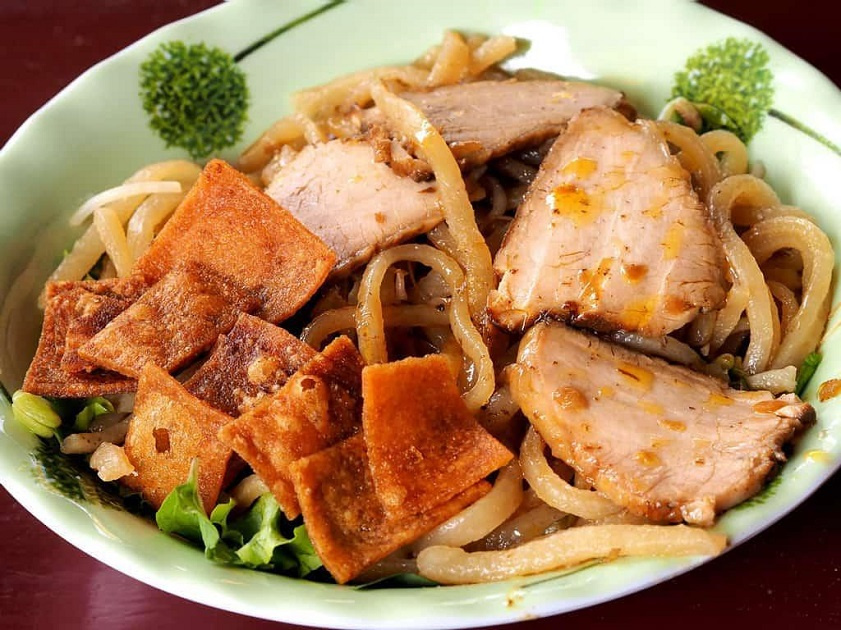
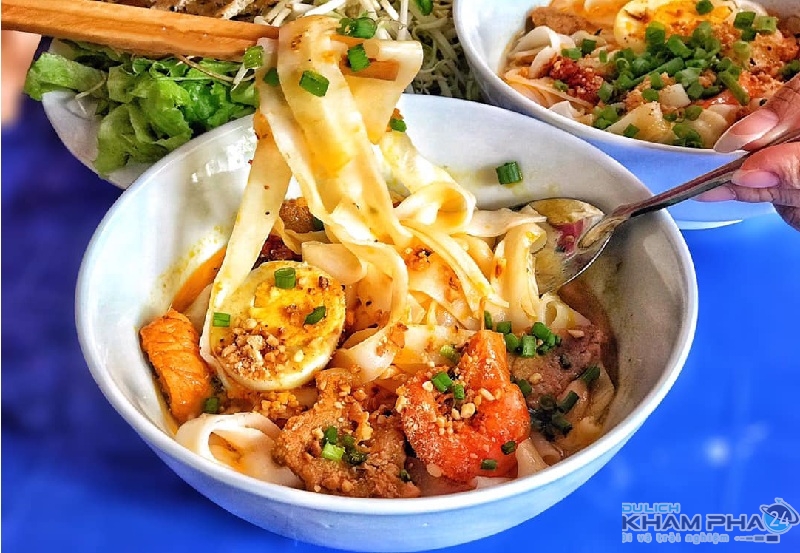
- Cao lầu & Mỳ Quảng: most iconic regional specialties, and it’s deeply tied to Hội An’s cultural and culinary identity.
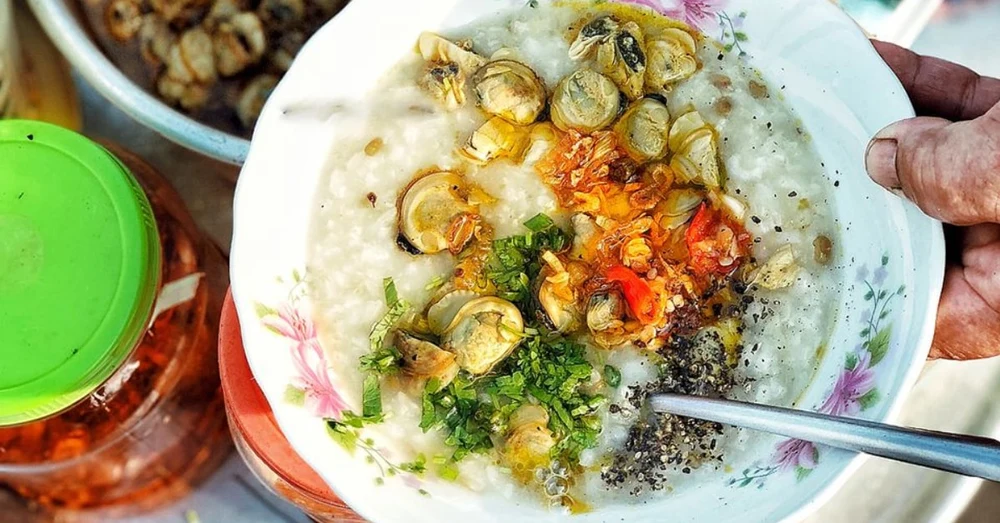
- Cháo ngêu ( clam porridge):
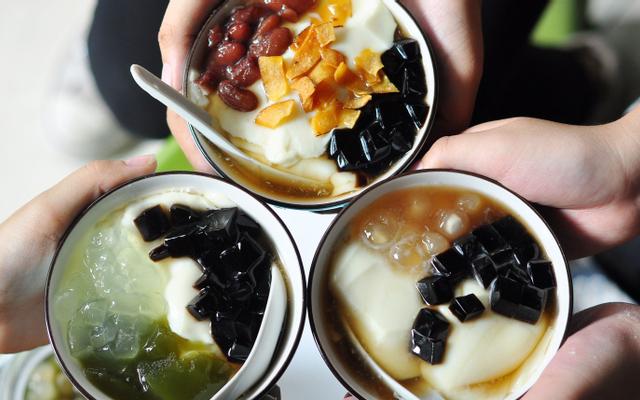
- Sweet soup and Tofu:
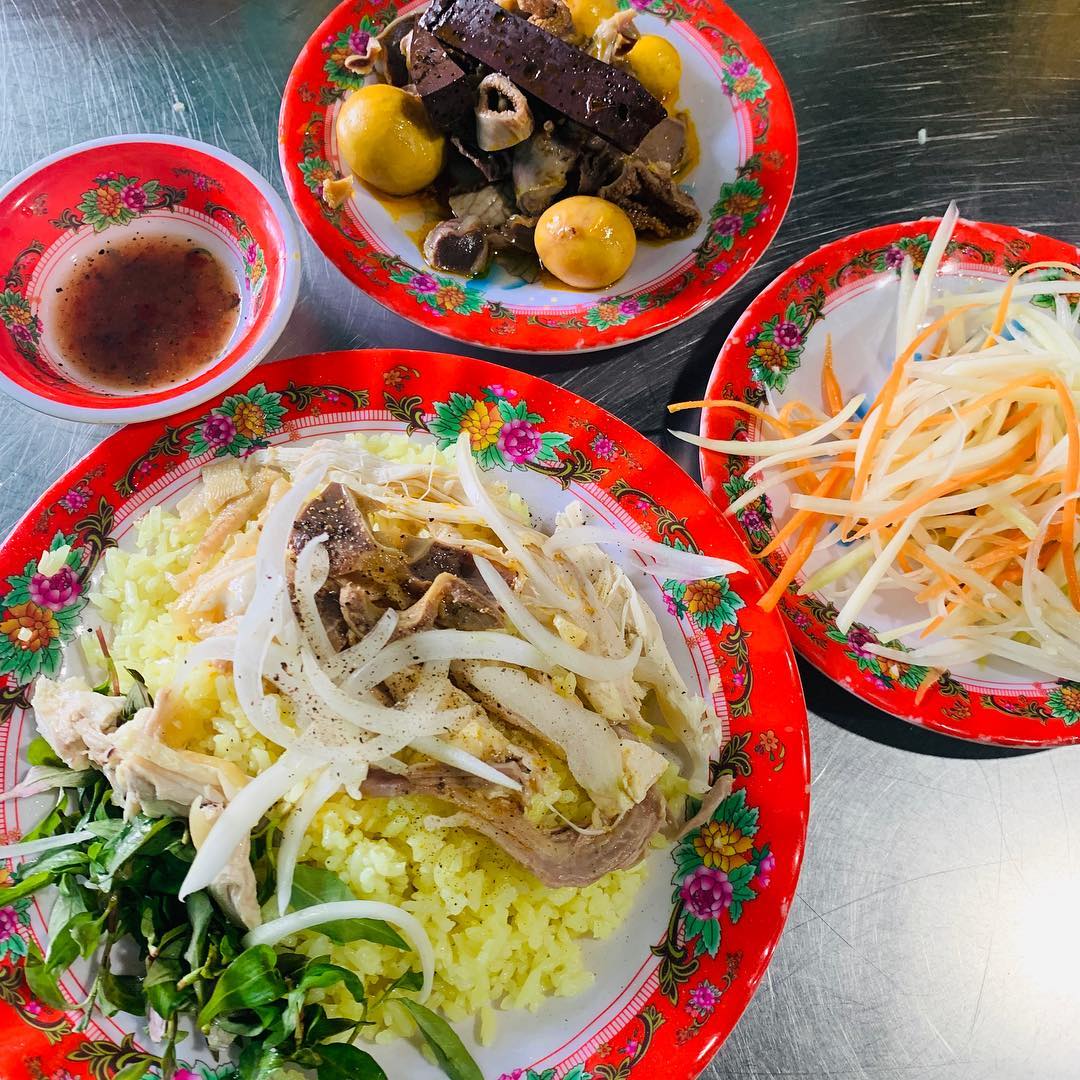
- Chicken rice: fragrant turmeric-infused rice, tender shredded chicken, and a tangy-sweet blend of herbs and papaya salad
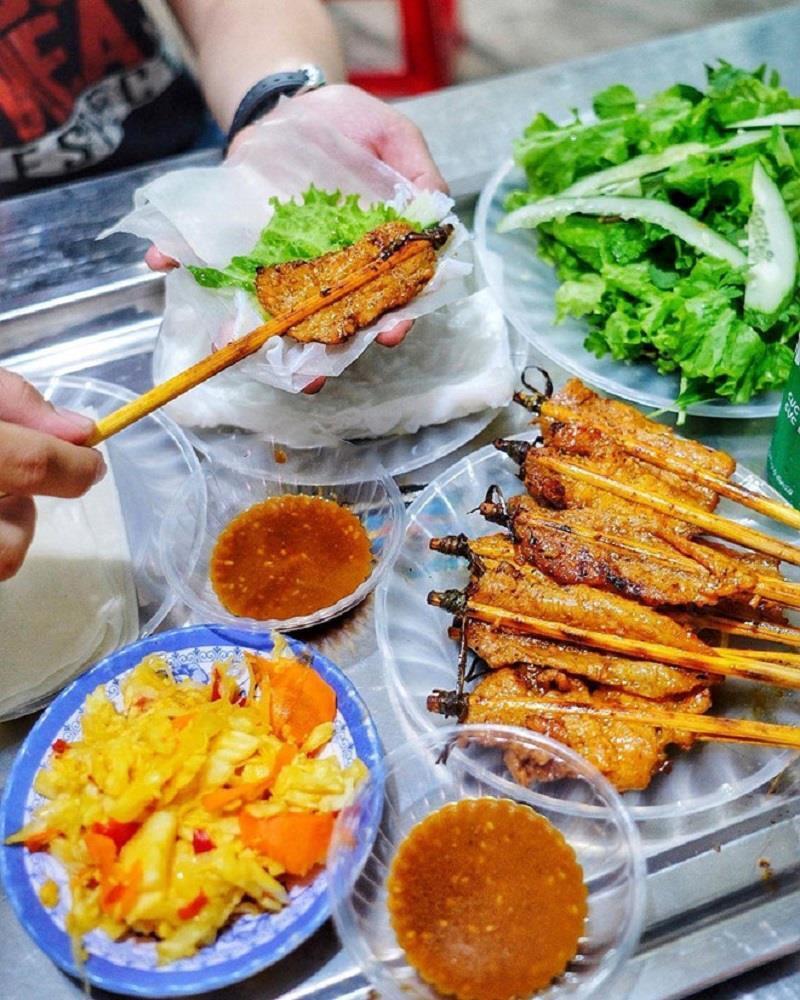
- Grilled meat skewers:
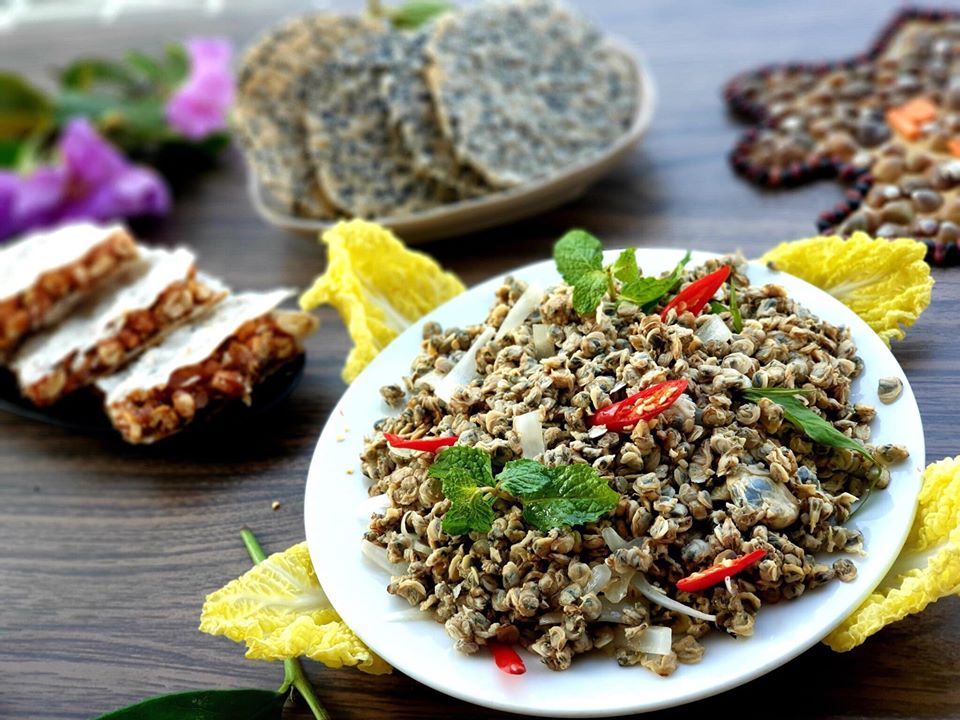
- Stir-fried mussels with rice paper:
7. Nearby attractions:
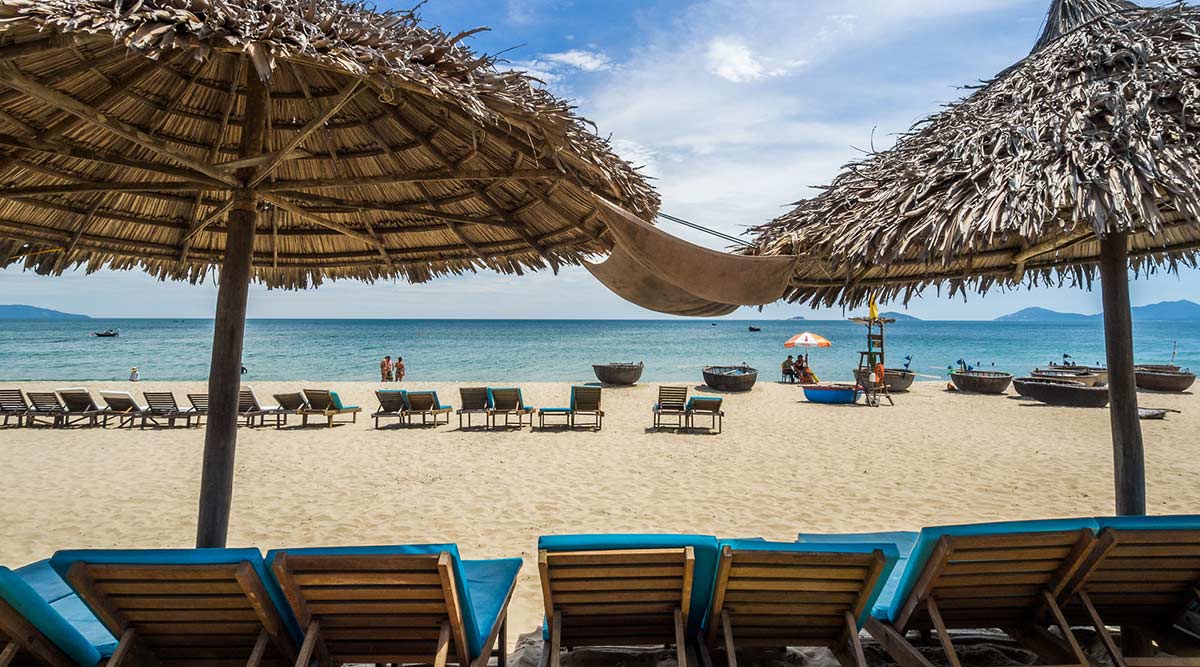
- Cửa Đại Beach, An Bàng Beach:
- Trà Quế vegetable village:
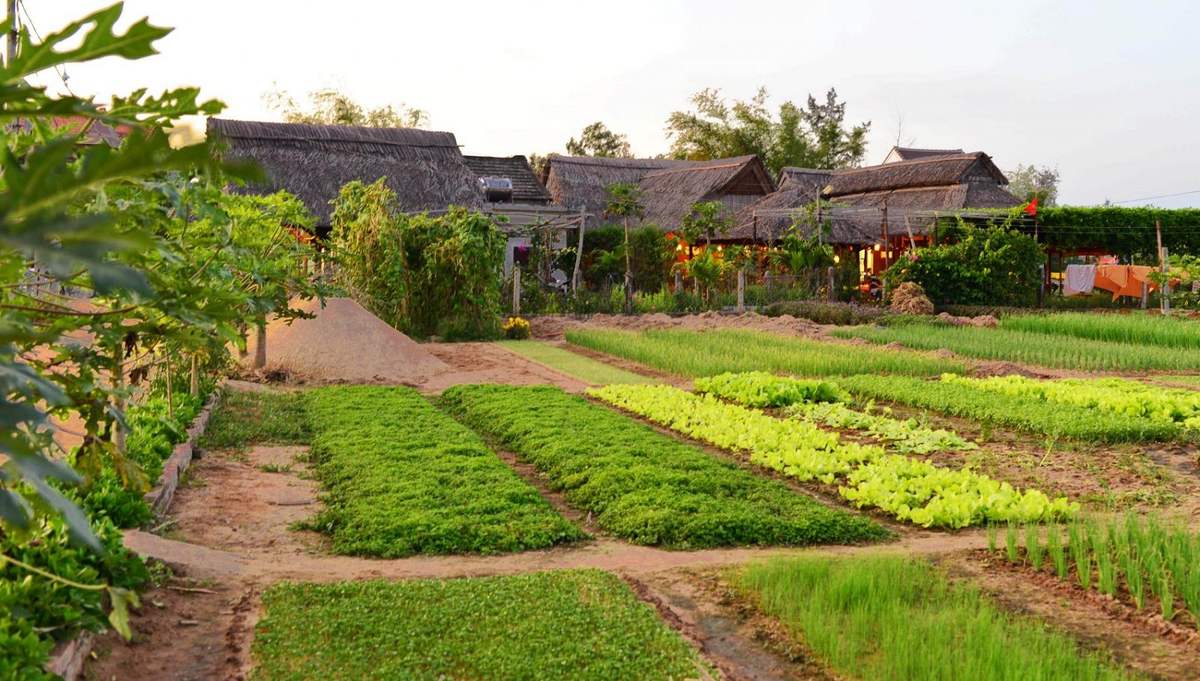
Less than 3km from Hội An ancient town, Trà Quế vegetable village is a place that preserves the beauty of a pure Vietnamese village with more than 300 years of history. Famous for its traditional organic farming methods, the people here do not use chemical fertilizers but take advantage of seaweed taken from Co Co river to fertilize vegetables.
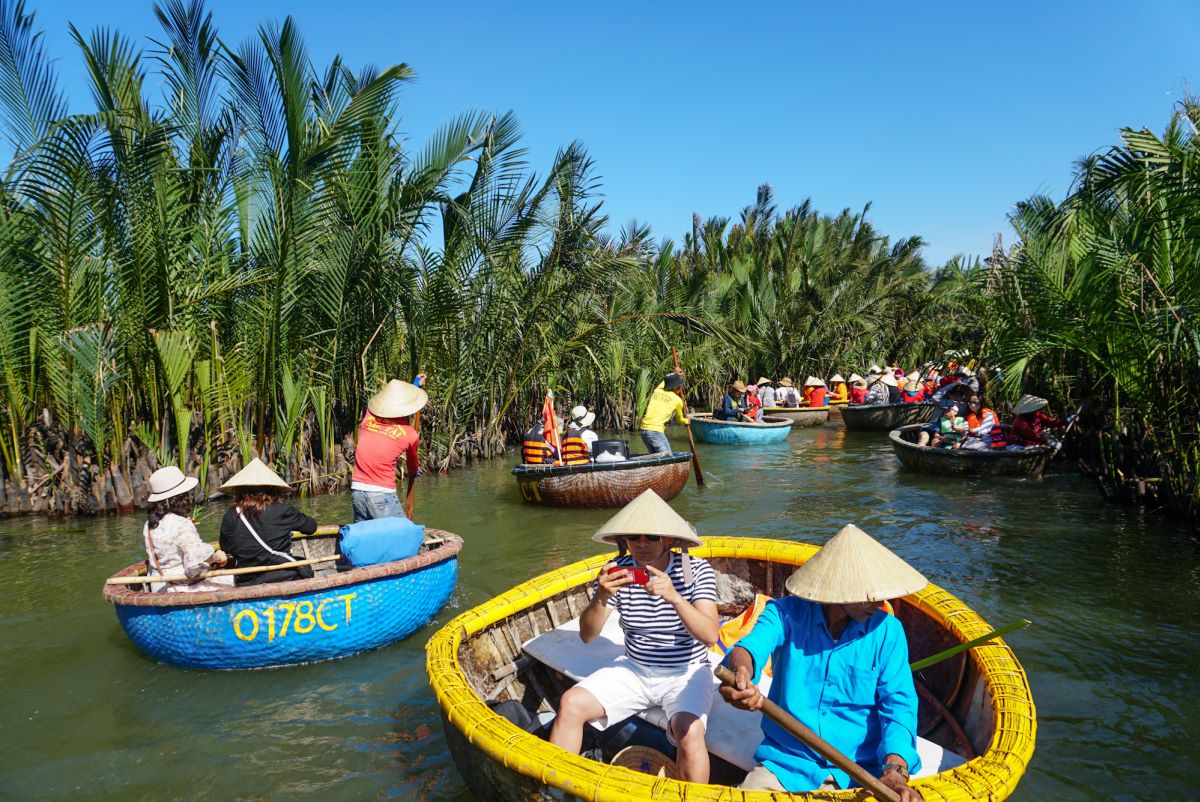
- Bảy Mẫu palm forest: famous for unique basket dance, exciting boat racing and enjoy local specialties.
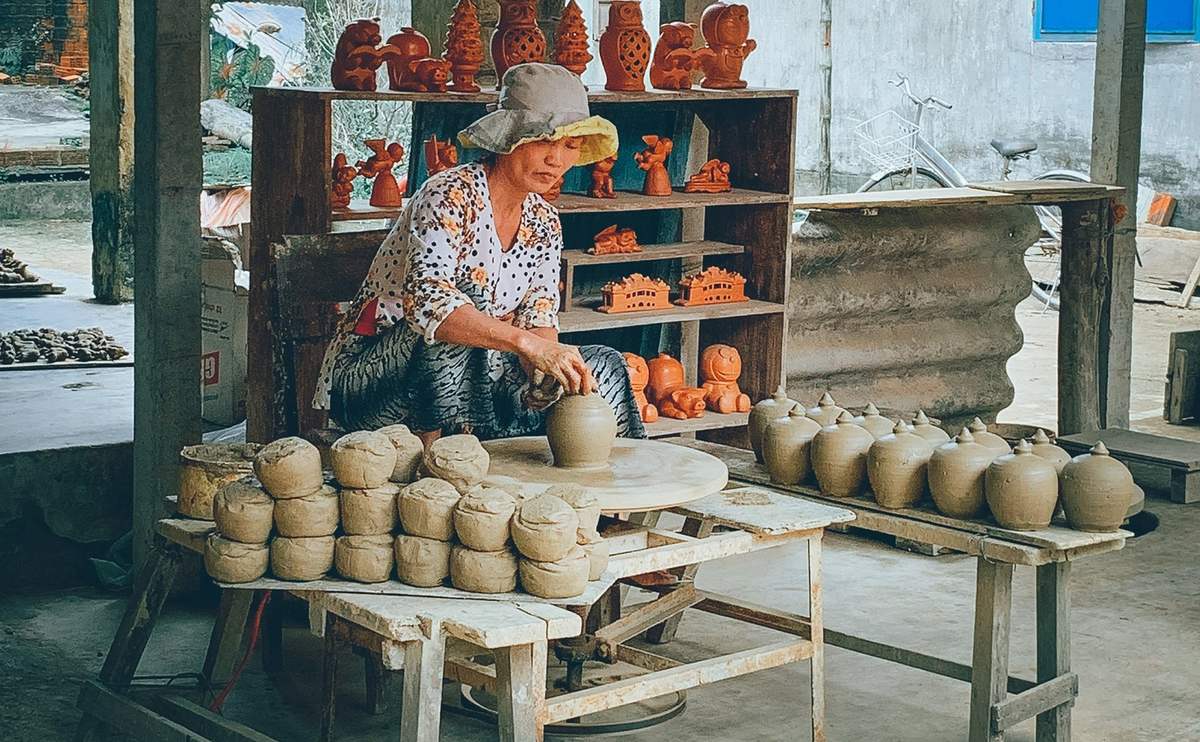
- Thanh Hà Pottery Village: only 2-3km from Hội An ancient town. With a history of development of more than 500 years. This place used to be a famous ceramic production center in Quảng Nam, contributing to the formation of a unique cultural feature of the ancient land of Hội An.
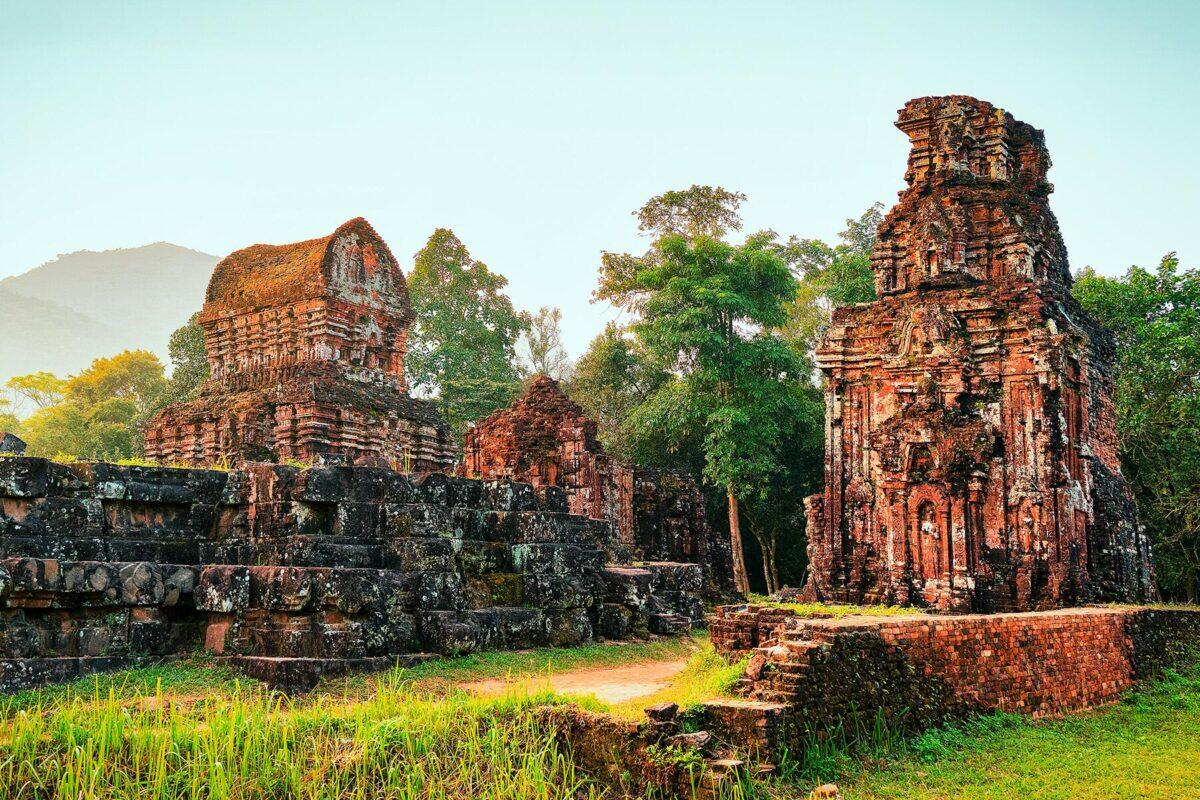
- Mỹ Sơn Sanctuary: About 40km from Hội An. It’s a famous cultural heritage complex of the Chăm people, located in Duy Phú commune, Duy Xuyên district, Quảng Nam province. This relic site includes more than 70 temples and towers, built from the 4th to the 13th century, with great archaeological and cultural value. Mỹ Sơn was recognized by UNESCO as a World Cultural Heritage in 1995.
BEST TIME TO VISIT HỘI AN:
Ideal season is from February to April, Average temperature, little rain. Suitable for cycling or walking in the old town.
Avoid Septeber to January: Rainy season. Hội An can have flood.
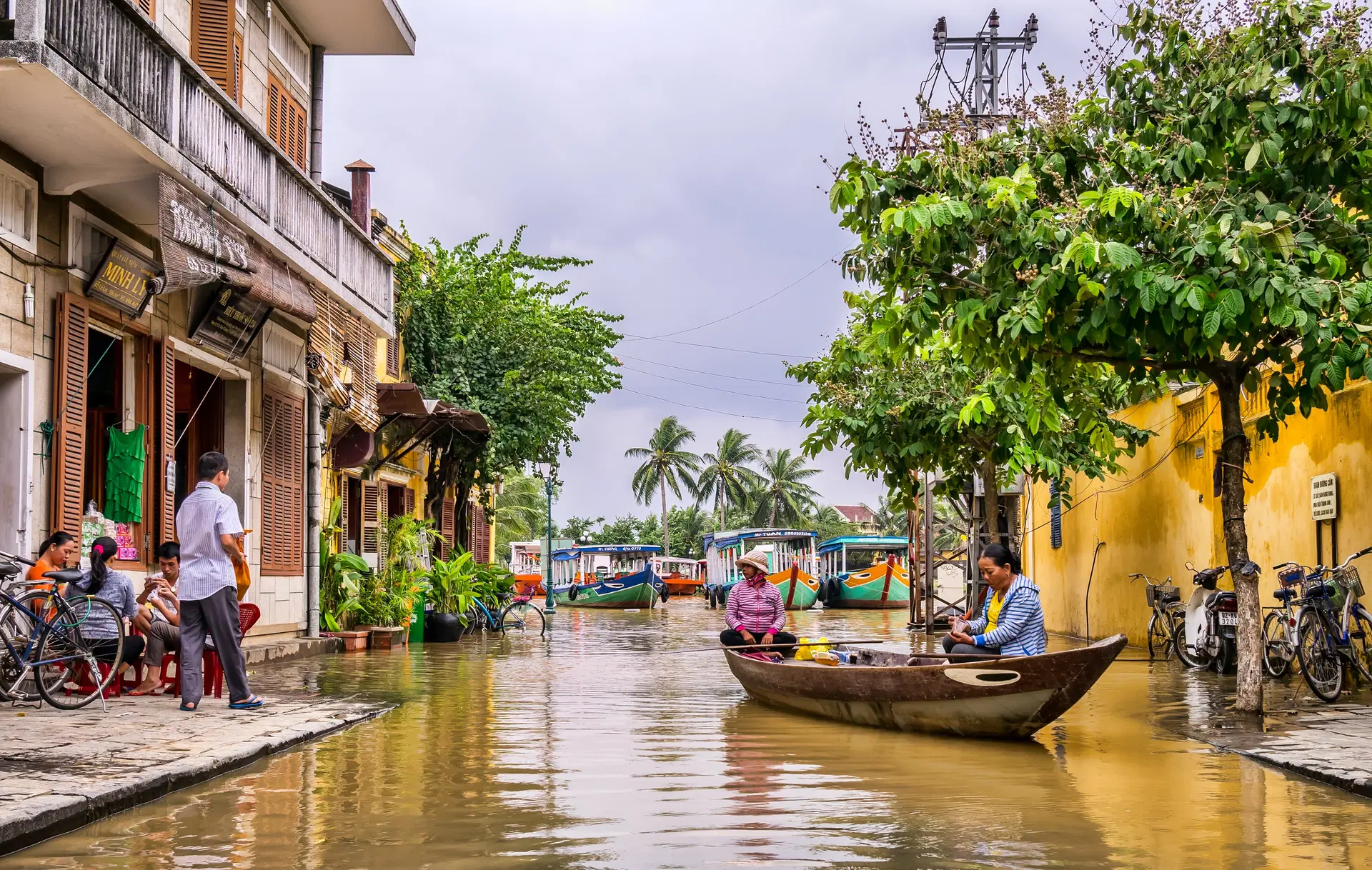
The ancient town of Hoi An is always bustling with tourists from around 8 AM. Therefore, I highly recommend visiting the ancient town in the early morning. It will be a completely different experience to see the ancient town before it wakes up.
TRAVEL TIPS WHEN COMING TO HỘI AN:
Stay in/near the ancient town – Easy access to markets, lanterns, and historic sites.
Rent a bicycle – Best way to explore rice fields, beaches, and nearby villages.
Time your trip for the Lantern festival – Held on the 14th lunar day each month.
Try local food – Must-eats: Cao Lầu, Mỳ Quảng, rice chicken, tofu, …
Get clothes tailored – Fast, affordable, custom-made fashion.
Explore the countryside – Visit Tra Que Village or palm forest and try a basket boat ride.
Avoid mid-day heat – Sightsee early morning or late afternoon for comfort and great photos.
HOW TO GET TO HỘI AN FROM ĐỒNG HỚI
1. Train + taxi/bus/motorbike:
- Take a train from Đồng Hới to Đà Nẵng train station (~5–6 hours)
- Then transfer to Hội An by taxi/bus/motorbike (~45 minutes)
2. Direct bus/van from Đồng Hới to Hội An:
- Take from 8 – 9 hours
Example: HM Happy Care, Bình Hoài Limousine, Bình Tâm, HK Buslines
3. Private car/ taxi:
- Take about 5-6 hours
- Much more expensive but be proactive about time and schedule, able to stop to enjoy the scenery and visit.
CONCLUSION
Hội An is a charming and unforgettable destination that blends history, culture, food, and natural beauty. Its lantern-lit streets, ancient architecture, friendly locals, and riverside setting create a magical atmosphere that captivates every traveler.
Whether you’re wandering the old town, relaxing on nearby beaches, enjoying world-class street food, or cycling through rice fields, Hội An offers a peaceful yet vibrant experience that suits every travel style.
It’s not just a place to visit — it’s a place to feel.
If you’re looking for authenticity, romance, and a touch of timeless charm, Hội An should be high on your travel list.
Comments